
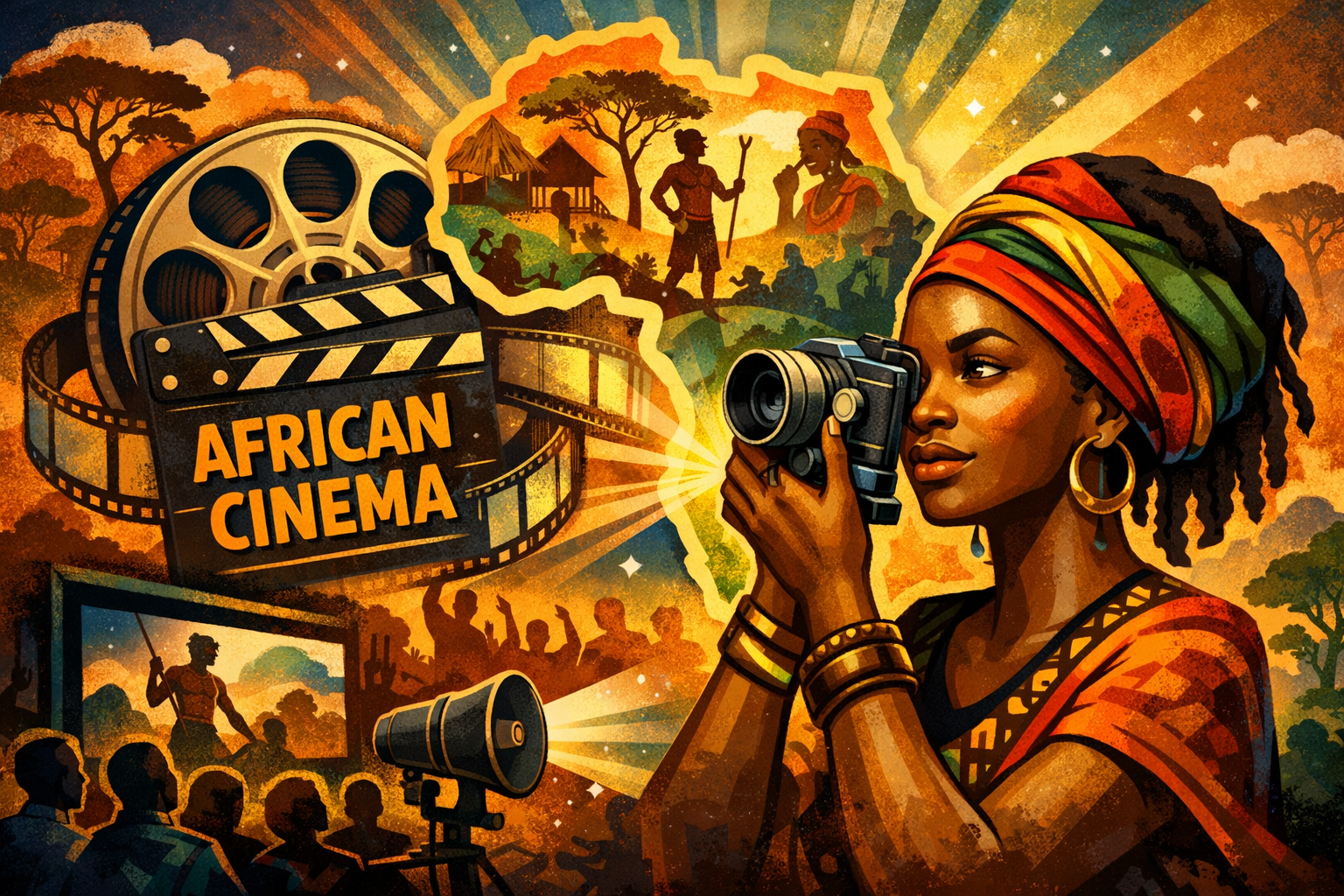
Prof. Martin Mhando’s post exposes how global cinema often distorts African storytelling, turning rich, diverse experiences into commodified tropes shaped by Western expectations. This Createpreneur Africa blog reframes his insights into a call for authentic representation and infrastructure empowerment.
In his critical reflection, Prof. Martin Mhando challenges the persistent misrepresentation of African stories within globalised cinema.
Drawing from the Next Narrative Africa Fund study, he highlights that while the United States accounts for 8.7% of global demand for African storytelling, this visibility often masks a deeper issue, authenticity.
Hollywood’s interpretation of “African stories” frequently mirrors Western sensibilities, packaging identity as a consumable product rather than a lived experience.
The result? Narratives that resonate more with audiences socialised in Western contexts than with the diverse cultures of Africa itself.
The Infrastructure Gap: A Barrier to Authenticity
Prof. Mhando points to a critical imbalance, the lack of robust distribution and marketing infrastructure within Africa. Without accessible local channels, African audiences remain detached from their own cinematic reflections.
This gap means that while global markets consume “African” stories, Africans themselves struggle to access or define them.
The question becomes urgent:
Are these stories truly African, or are they Western projections wearing African masks?
The Western Lens: A Distorted Narrative
The commodification of African identity in film reduces cultural depth to aesthetic appeal. “African” becomes a marketing label—flattening complexity into exoticism. Prof. Mhando warns that this trend undermines the richness and diversity of African cultures, turning them into consumable experiences for global audiences.
Authentic storytelling demands African-led production ecosystems, community-rooted narratives, and cross-border collaboration that prioritises cultural truth over commercial validation.
Toward Narrative Sovereignty
To reclaim Africa’s cinematic voice, we must:
- Invest in local infrastructure distribution, training, and funding.
- Empower African storytellers to define their own narratives.
- Challenge Western frameworks that dictate what “African” means.
- Build continental networks that connect filmmakers, audiences, and institutions.





Leave a Reply