
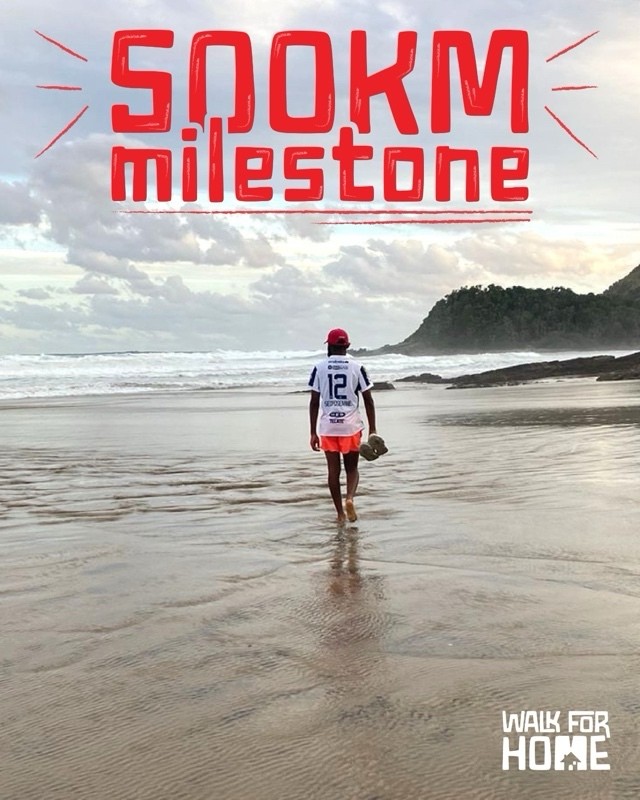
Wandile Mthiyane is not just walking, he is building. An architect, social entrepreneur, and Obama Foundation Fellow, Wandile has dedicated his life to transforming housing from a privilege into a right rooted in dignity. Raised in KwaMashu, where inadequate shelter shaped his early experiences, he now channels that lived reality into bold innovation. His 1,600km walk from Durban to Cape Town is more than a physical feat, it is a living manifesto, turning every step into a foundation for change.
Ubuntu Home: Innovation Meets Humanity
At the heart of Wandile’s mission lies Ubuntu Home, an AI-powered platform that empowers South Africans to design and build their own houses. By integrating land access, services, and design tools, Ubuntu Home democratizes architecture and places dignity at the center of housing. For Wandile, housing is not charity, it is justice.
- Problem Addressed: Millions of South Africans live in inadequate housing, often waiting decades for promised government homes.
- Solution Offered: Ubuntu Home provides accessible, community-driven tools for self-design and construction.
- Impact Vision: No child should study under a leaking roof, and no family should wait endlessly for dignified shelter.
Wandile’s 1,600km Walk: Turning Footsteps into Foundations
The Walk: Footsteps as Foundations
Wandile’s 1,600km trek is both symbolic and practical. Each step represents the struggles of families without proper housing, while every kilometer raises awareness and funds for Ubuntu Home. Along the way, he encounters stories of resilience, like a grandmother who gave him her last R30, embodying the collective hope behind his mission.
This walk is not about personal achievement. It is about mobilizing shared responsibility, reminding us that housing is a cornerstone of dignity and community.

Global Recognition, Local Roots
From Durban University of Technology to Harvard, Wandile’s journey has earned him international recognition. As an Obama Foundation Fellow and lecturer, he bridges global innovation with local realities. Yet, his work remains deeply rooted in South African communities, where he continues to advocate for equity, empowerment, and inclusion.
Call to Action
Wandile’s journey is a reminder that housing is dignity. His footsteps invite us to walk alongside him—through advocacy, donations, and storytelling. By amplifying his mission, we help turn foundations into futures.
Follow his journey on Instagram (@wandileubuntu) and explore Ubuntu Design Group, his co-founded initiative redefining accessible architecture.
https://wandilemthiyane.substack.com/Meet Createpreneur Africa: South Africa’s Wandile Mthiyane , Architect of Dignity, Walking 1,600km to Build Foundations
1. Tell us what drives you? What is your true passion in life?
What drives me is the belief that where you live should never determine your dignity or your future. My true passion is creating systems that help people access safe, dignified housing. I grew up moving between informal settlements and townships, and from a young age I saw how housing affects everything: education, health, opportunity, and self-worth.
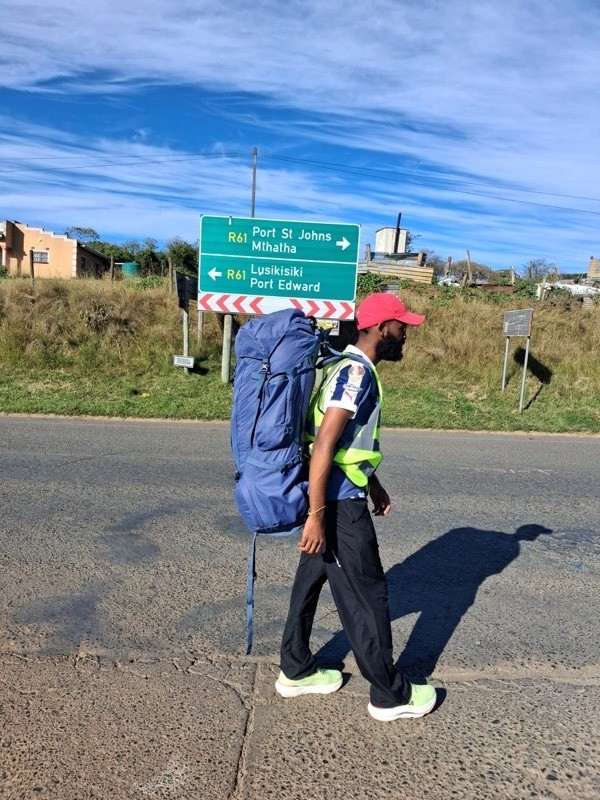
That’s why I became an architect and why I created Ubuntu Home, a platform designed to help people design, finance, and build homes on their own terms. Right now, I’m walking 1,600km across South Africa because I wanted to reconnect directly with the people and communities most affected by the housing crisis.
For me, architecture is not just about buildings. It’s about human potential.
2. How did you find your passion and how old were you?
I think my passion started forming when I was around 9 years old. I remember government officials writing the number “1196” on my aunt’s house, which meant she was supposedly on the waiting list for an RDP home.
She passed away recently still waiting.
That moment stayed with me my entire life. By the age of 12, I had already lived in around 10 different places. My mother’s biggest prayer was always for us to have a stable home. Growing up in those conditions made me realize how deeply housing shapes people’s lives.
That experience pushed me toward architecture, but eventually I realized the solution needed to go beyond design. It needed systems, technology, and community participation too.
3. What about your passion appeals to you the most?
What appeals to me most is seeing how one home can completely change a family’s future.
A home creates stability. It gives children a quiet place to study. It gives families safety, dignity, and a sense of belonging. Housing is connected to almost every social issue we face, from education to health to unemployment.
I love that this work allows me to combine storytelling, technology, architecture, and social impact into one mission.
4. What drove you to make money from your passions?
I realized that if you truly want to solve a problem at scale, the solution has to be sustainable.
Ubuntu Home was born from years of seeing people struggle through a broken and overwhelming housing process. I wanted to build something practical that could help thousands, and eventually millions, of people navigate designing and building a home more easily.
Making the platform sustainable means we can continue creating impact long-term while also creating jobs and opportunities for others.
5. When was the first time you were paid for your passion?
The first time I was paid for my passion was during my early years working in architecture and design. It was a powerful moment because I realized creativity and problem-solving could become both a career and a tool for social change.
Over time, my work expanded beyond architecture into speaking, social innovation, education, and now building technology platforms focused on housing.
6. What kept you going when you thought about giving up?
Honestly, I think about people like my aunt who waited decades for dignity and never received it.
That keeps me going.
During this walk across South Africa, I’ve also been carried by ordinary people. I’ve been hosted by strangers, fed by families with very little, and encouraged by gogos standing on the side of the road praying for me.
Those moments remind me that Ubuntu is still alive.
Whenever things feel difficult, I remember that this mission is bigger than me.
7. What motivates you every day to be even more successful?
I’m motivated by the possibility that we can fundamentally change how housing works in South Africa and beyond.
I want to help create systems where ordinary people have more agency over building their futures. I’m also motivated by young people from townships and informal settlements who need to see that their circumstances do not define their ceiling.
Getting into Harvard showed me that impossible things can happen. Now I want to use that opportunity as a tool to build solutions that matter.
8. What do you have to say to all of the people who doubted you?
I understand why some people doubted me because the mission sounds impossible.
Walking 1,600km alone across South Africa sounds crazy. Trying to rethink housing systems sounds crazy, too.
But sometimes the world only changes because someone is willing to attempt what looks unrealistic at first.
I don’t carry anger toward doubters. In many ways, they pushed me to work harder, think deeper, and stay committed to the vision.
9. What advice do you give to aspiring creatives who look up to you?
Don’t wait for permission to begin.
Your background does not disqualify you from building something meaningful. Some of the most powerful ideas come from people who have personally experienced the problems they are trying to solve.
Also, stay deeply connected to real people. The best creativity comes from empathy and lived experience, not just aesthetics.
And finally: start before you feel ready. Most meaningful journeys begin with uncertainty.




Leave a Reply